Why Your Toilet Keeps Running
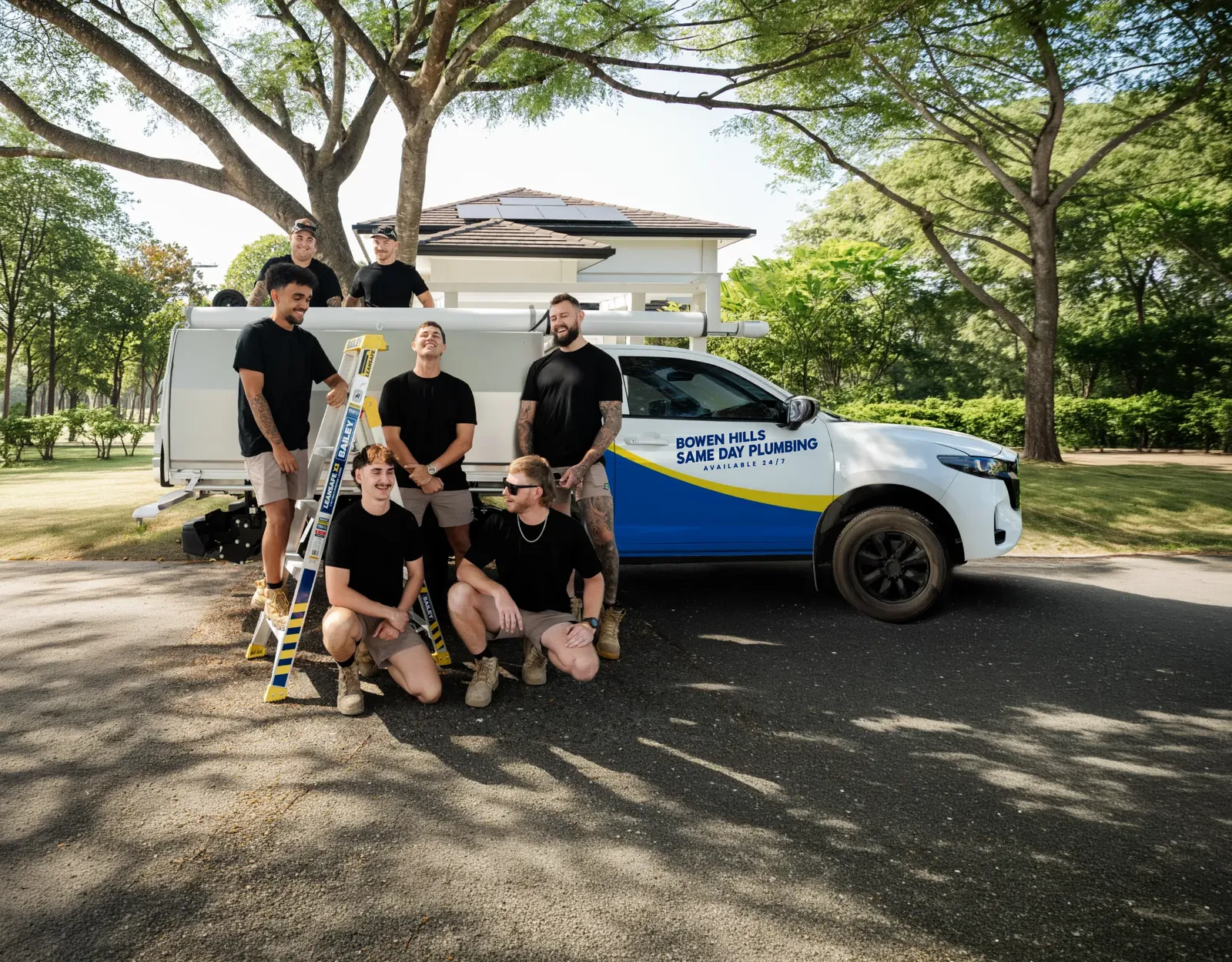
A running cistern is one of the most wasteful faults in a home, and it is nearly always one of three small parts inside the tank. When your toilet keeps running, our licensed plumbers find the cause, quote a fixed price and swap the part. We do this job on Bowen Hills runs every week, mostly in apartment towers where the water bill lands on an owner who never hears the cistern.
If we're late, $100 comes off your bill

- Licensed and InsuredEvery job done by a licensed plumber. QBCC No: 15024607
- Fixed Quote FirstFlat-rate pricing, agreed before any work starts
- Lifetime Labour WarrantyBacked by our Fix-It-or-It's-Free guarantee (T&Cs apply)
- $0 Call-Out FeesNo extra charge for nights, weekends or public holidays
Three symptoms separate the faults, and a bottle of food colouring settles one of them in minutes. Here is what each sign means, plus where Queensland law draws the DIY line.
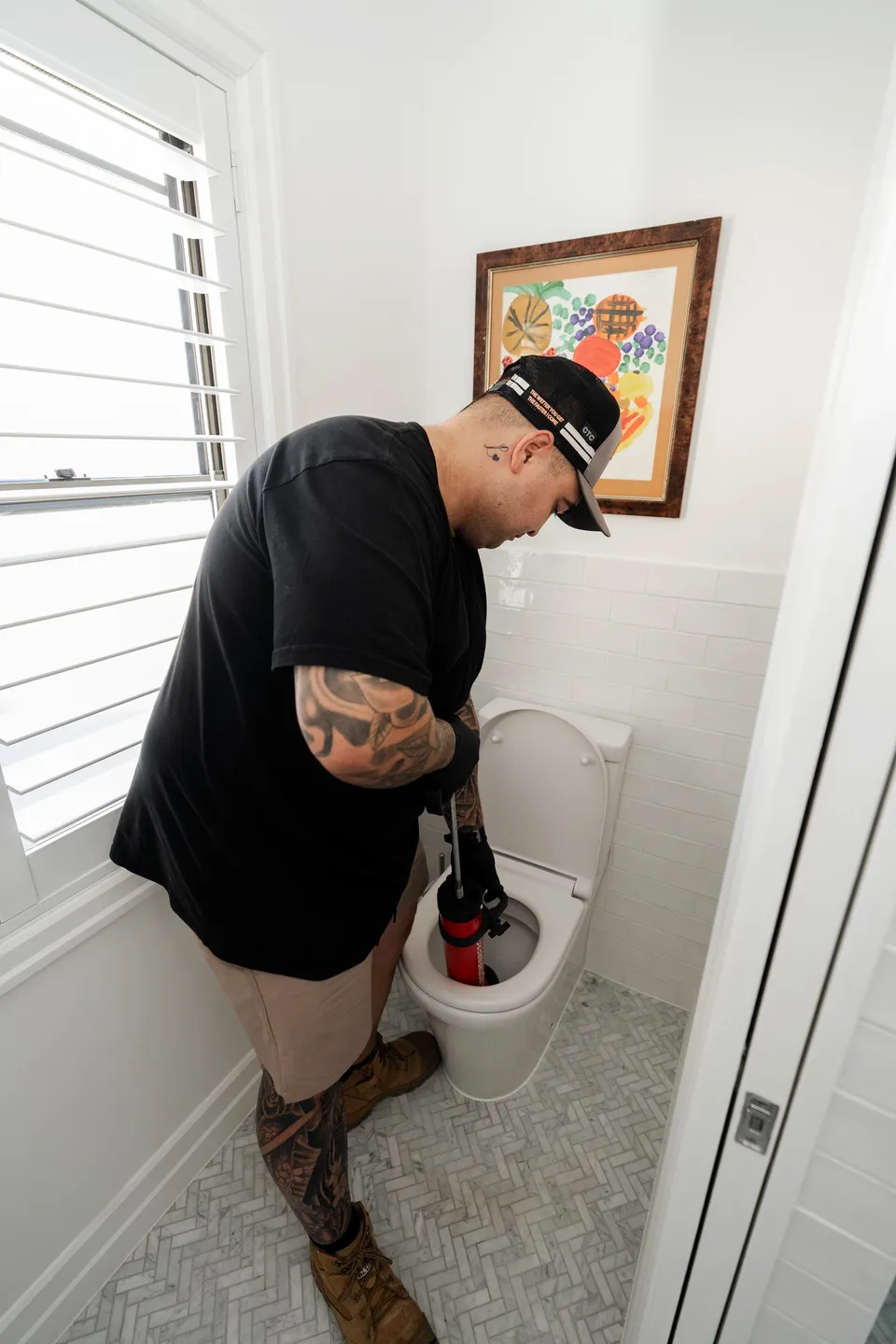
Inlet Valve, Flush Valve Seal and Overflow Explained
Three faults explain a toilet that runs: an inlet valve that never closes, a flush valve seal that leaks, and water set past the overflow.
The cistern is the tank that sits above the pan. Inside it, the inlet valve refills the tank after every flush and stops once the float reaches the set level. Debris or wear can stop the inlet valve shutting off, so the cistern fills slowly or never stops filling at all. You hear that fault as a hiss that carries on after the cistern is full.
The flush valve, also called the outlet valve, holds the water in the cistern between flushes. When the seal on the flush valve wears out, water drains quietly into the pan, and the inlet valve then keeps topping the cistern up. The giveaway is a cistern that refills every few minutes with nothing flushed, or a thin film of water sliding down the inside of the pan.
The overflow is a safety spill point that keeps excess water off your floor. If the inlet valve refuses to close or the float rides too high, the water level climbs until the excess runs out through the overflow instead. An overflow pipe dripping outside the wall points to the same fault: a cistern filling past the set level.
Water Runs but the Cistern Stays Low
A cistern that never fills usually means a worn or blocked inlet valve, a float riding too low, or a stop tap that is only partly open. Each cause starves the cistern differently, and two of them take moments to spot.
Start with the stop tap on the supply line to the toilet, because a tap someone half-closed before an earlier repair is the simplest explanation going. A float riding too low tells the inlet valve to quit early, which leaves a half-full cistern every time.
There is a stranger version of the problem. Water pours in yet the level never rises, because the flush valve seal is draining the cistern as fast as the supply fills it. The toilet ends up sounding like it flushes itself on a loop.
Where Home Owner Toilet Repairs Stop
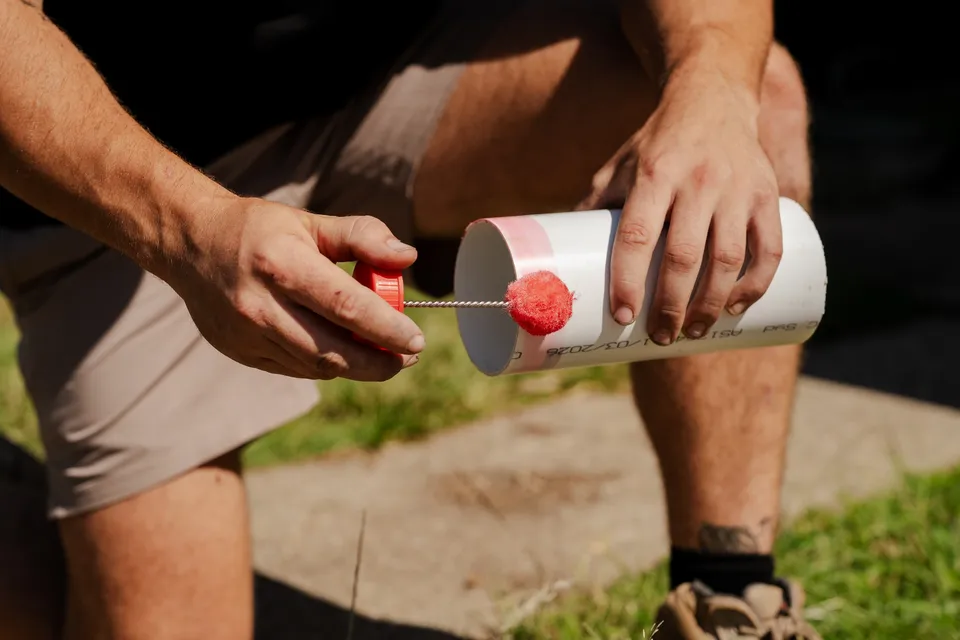
The QBCC names three cistern parts anyone with the needed knowledge and skill may replace: the drop valve washer, the float valve washer and also the suction cup rubber.
Even on that list, the finished work still has to comply with the plumbing standards. Every other toilet repair is minor work under Queensland rules, so a QBCC licensee does it, with no permit and no compliance notice needed. Inlet valves, flush valve assemblies, buttons and whole cisterns all sit on the licensed side of the line.
Rentals follow a separate track. Under the tenancy rules, the owner or manager handles the property's upkeep, and the tenant passes faults on straight away.
Check for a Silent Leak With Food Colouring
Squeeze several drops of food colouring into the tank, leave the toilet unflushed, and wait.
- Colour showing up in the bowl means the flush valve is leaking at the seal, the most common silent fault.
- A bowl that stays clear tells you the flush valve is doing its job, so the inlet side and the water level are next to check.
- Flush once you have your answer. The colouring does not stain ceramic bowls.
- No colouring in the cupboard? Rest a few squares of dry toilet paper high on the bowl's rear wall, above the waterline. Paper that ends up damp means a trickle is running down the pan's rear wall.
The check earns its keep in a suburb of renters. At the last census, Bowen Hills counted 2,506 flats and apartments against 80 separate houses, so most cisterns sit in towers. A running toilet near the Queensland Rail Mayne depot can pour water onto an owner's account for months, because the tenant never sees the bill that would expose it.
What a Running Cistern Does to Your Water Bill
No, Urban Utilities' concealed leak adjustment does not cover water lost through a running cistern.
The adjustment exists for hidden pipe leaks under ground or inside walls. Taps, cisterns, hot water systems and other water appliances are all left out of it. Responsibility for leaks on a property sits with the owner, and so does the money the leak wasted.
A toilet that keeps running wastes water around the clock, and nothing on the utility's side flags it as anything but normal use. The quiet sting is that the bill simply grows.
When to Call a Plumber
Ring us when the colour shows up, when the hiss will not stop, or when the overflow keeps dripping and you would rather not open the cistern at all. Every job is done by a licensed plumber, and we bring the common cistern parts with us.
Our toilet repairs service covers the full job: inlet and outlet valves, seals, buttons and whole cisterns. If the fault turns out to sit past the toilet, we trace it and quote before any work starts.
Toilet Questions From Bowen Hills
Call (07) 3523 7172Why won't my toilet stop running after flushing?
One of three parts is at fault. The inlet valve may be failing to close, the flush valve seal may be leaking water into the pan, or the water level may be set past the overflow. A hiss that never quits points at the inlet valve; a cistern that refills on its own points at the seal.
Can I fix a running toilet myself in Bowen Hills?
Yes, but only for three cistern parts. The QBCC lists the drop valve washer, the float valve washer and the suction cup rubber as unregulated work anyone with the skill may do, though the finished job still has to meet the standards. Every other toilet repair needs a licensed plumber.
Will Urban Utilities cover a running toilet on my bill?
No, the concealed leak adjustment excludes leaking cisterns, taps and water appliances. The property owner holds primary responsibility for leaks and the losses from them, so the wasted water stays on that account.
Who has to fix a running toilet in a Bowen Hills rental?
Under Queensland's tenancy rules, the owner or manager keeps the premises in good repair, and the tenant tells them as soon as possible. A running cistern counts as a routine repair, fixed within a reasonable time. The state's emergency list names a blocked or broken toilet, and a running one is not on it.

Ring Us About That Running CisternWe'll call you back.
Ring (07) 3523 7172 and tell us what's wrong. You get $0 call-out fees, a fixed quote before any work starts and same-day where we can, 7 days a week.
To claim your $0 call-out fee, call (07) 3523 7172 today.